

Roof replacement is a crucial home improvement project that not only enhances the aesthetic appeal of your residence but also plays a significant role in maintaining the structural integrity and safety of your home. Over time, roofs endure wear and tear from harsh weather conditions, age, and environmental factors, leading to potential leaks and damage that can compromise your living space. Understanding when and why to replace your roof can save you from costly repairs and provide peace of mind knowing your home is secure.
In this article, we will explore the various aspects of roof replacement, including the signs that indicate it might be time for a new roof, different roofing materials available, and key considerations to keep in mind during the replacement process. Whether you are a homeowner looking to improve your property’s value or simply seeking to protect your investment, this comprehensive guide will equip you with the necessary knowledge to make informed decisions about your roof replacement project.
Signs You Need a New Roof
Recognizing the signs that it’s time for a roof replacement is essential for maintaining your home’s safety. Common indicators include missing shingles, significant granule loss, water stains on your ceilings, and a sagging roofline. If you observe any of these signs, it’s advisable to consult a roofing professional to assess the situation. Regular inspections can also help catch potential issues early, preventing more severe damage. For further information on identifying warning signs, visit this website.
Choosing the Right Roofing Material
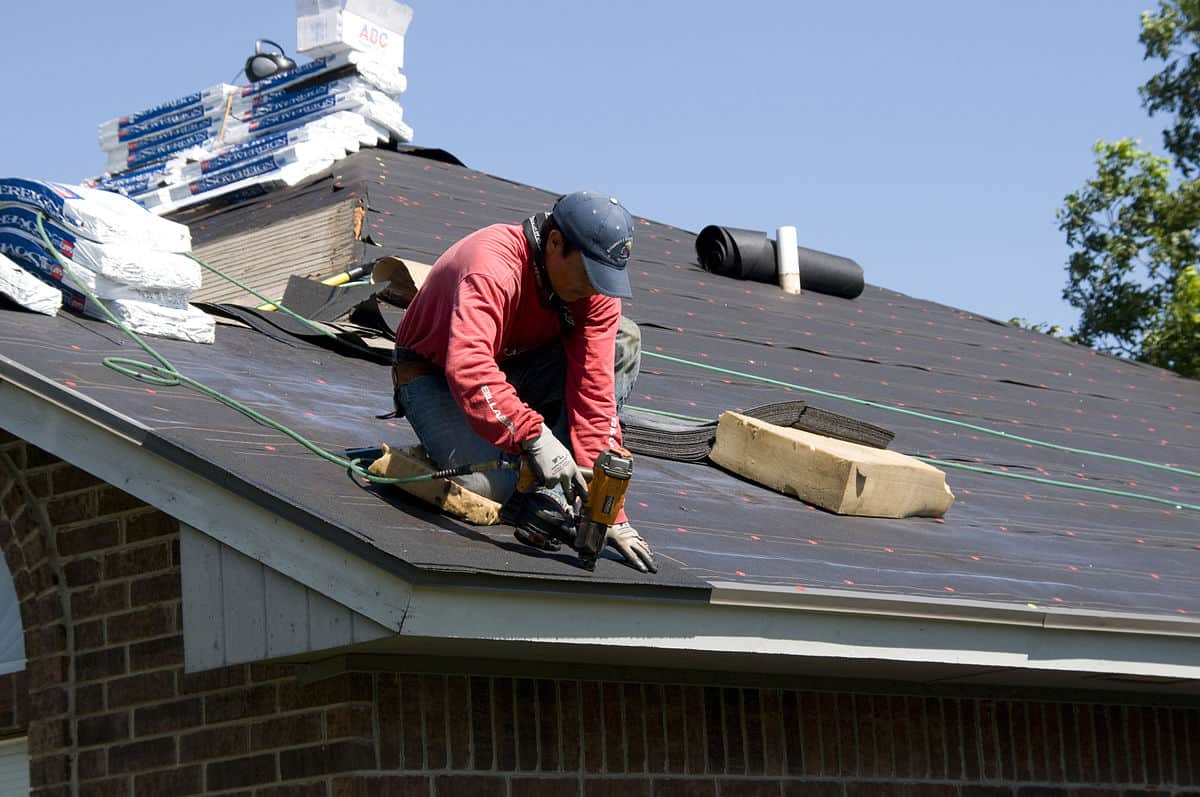
When it comes to roof replacement, selecting the right material is crucial. Options range from asphalt shingles to metal, tile, and slate. Each material has distinct advantages in terms of durability, cost, and aesthetic appeal. Asphalt shingles, for example, are popular for their affordability and ease of installation, while metal roofing offers exceptional longevity and resistance to extreme weather. It’s important to consider factors such as climate, local building codes, and your home’s architectural style when making your choice. Consulting with a roofing expert can also provide valuable insights tailored to your specific needs.
Ultimately, embarking on a roof replacement project can seem overwhelming, but with the right knowledge and preparation, it becomes a manageable and rewarding endeavor. By recognizing the signs that indicate a need for replacement, selecting the appropriate materials tailored to your home and climate, and working with a qualified roofing contractor, you can ensure a seamless transition to a durable, appealing roof that not only enhances your home’s value but also protects it from further damage. Investing in a new roof is not merely about aesthetics; it’s about securing your home for the long term and safeguarding your loved ones beneath it. Take the time to educate yourself, ask questions, and make informed decisions—your roof will thank you for it.