

In the realm of dentistry, the significance of patient comfort cannot be overstated, especially during complex treatments that may induce anxiety or discomfort. As dental procedures become increasingly sophisticated, practitioners are faced with the challenge of not only delivering effective clinical outcomes but also ensuring a positive patient experience. This article explores various strategies and techniques that can enhance patient comfort during intricate dental procedures, focusing on both psychological and physical aspects of care.
From the implementation of sedation options to the use of advanced technology and patient-centered approaches, understanding the factors that contribute to comfort can lead to improved patient satisfaction and treatment compliance. By prioritizing comfort, dental professionals can help alleviate fear, reduce treatment-related stress, and foster a trusting relationship with patients. This discussion aims to shed light on the best practices and innovations that can make complex dental treatments a more pleasant experience for patients.
Psychological Comfort Techniques
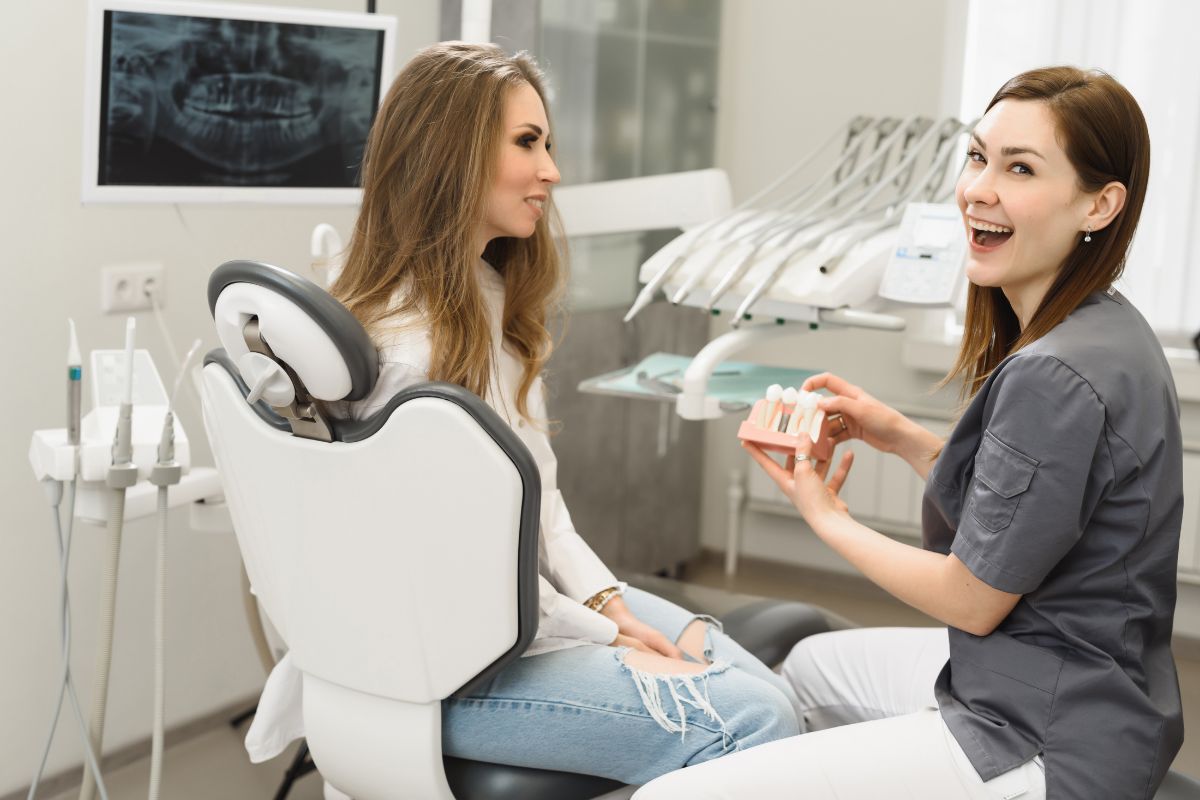
Implementing psychological comfort techniques can significantly enhance the patient experience during complex dental procedures. Dentists can employ methods such as guided imagery, mindfulness, and deep-breathing exercises to help patients cope with anxiety. Additionally, providing thorough explanations of the procedures can demystify the experience, making patients feel more in control and less fearful. The use of soothing environments, including calming colors, soft music, and comfortable seating, further contributes to a relaxed atmosphere. Resources like Improving Patient Comfort During Complex Dental Treatments can provide dental practitioners with innovative strategies to enhance patient comfort through psychological approaches.
Physical Comfort Innovations
Advancements in dental technology play a pivotal role in enhancing physical comfort during treatments. For instance, the use of quieter, more efficient machinery reduces noise levels that can cause anxiety. Additionally, ergonomic dental chairs with memory foam padding offer better support and comfort for patients during long procedures. The option of sedation—whether through nitrous oxide or oral medications—can effectively mitigate discomfort and anxiety, allowing for a more pleasant experience. Furthermore, providing cozy blankets, neck pillows, or even aromatherapy can make the treatment setting feel more welcoming and less clinical, ultimately improving patient satisfaction and compliance.
In conclusion, ensuring patient comfort during complex dental treatments is a multifaceted approach that combines psychological and physical strategies to create a supportive environment. By integrating techniques such as guided imagery and providing thorough communication, along with leveraging advancements in dental technology that prioritize physical comfort, dental professionals can significantly reduce anxiety and enhance the overall experience for their patients. The commitment to fostering a calming atmosphere not only benefits the patient’s immediate comfort but also nurtures a long-term relationship built on trust and confidence in the care they receive. Ultimately, prioritizing patient comfort is not just about mitigating discomfort; it is about cultivating a holistic approach to dental care that recognizes and addresses the individual needs of each patient, resulting in higher satisfaction and better treatment outcomes.