

Access to clean and safe drinking water is a fundamental necessity for all households, yet millions rely on well water systems that can present unique challenges. Well water, sourced from underground aquifers, is often perceived as a natural and wholesome alternative to municipal water supplies. However, issues such as contamination, fluctuating water levels, and equipment malfunctions can pose significant risks to both health and household functionality. Understanding these potential pitfalls and how to address them is crucial for any homeowner relying on well water.
This article aims to shed light on common well water issues, including sources of contamination like bacteria and nitrates, as well as the importance of regular testing and maintenance. Armed with knowledge about the potential problems and their solutions, well owners can ensure the safety of their water supply and safeguard the health of their families. Whether you’re a seasoned well owner or considering making the switch to well water, the insights provided here are essential for navigating the complexities of well water management.
Identifying Sources of Contamination
One of the most pressing concerns for well water users is the potential for contamination. Common sources include bacteria, nitrates, and heavy metals, which can seep into the groundwater from agricultural runoff, septic systems, or industrial waste. Regular water testing is crucial to detect these contaminants early and address them effectively. Homeowners should be vigilant about protecting their wells from external pollutants, as even minor breaches in maintenance can lead to significant health risks.
Maintaining Your Well System
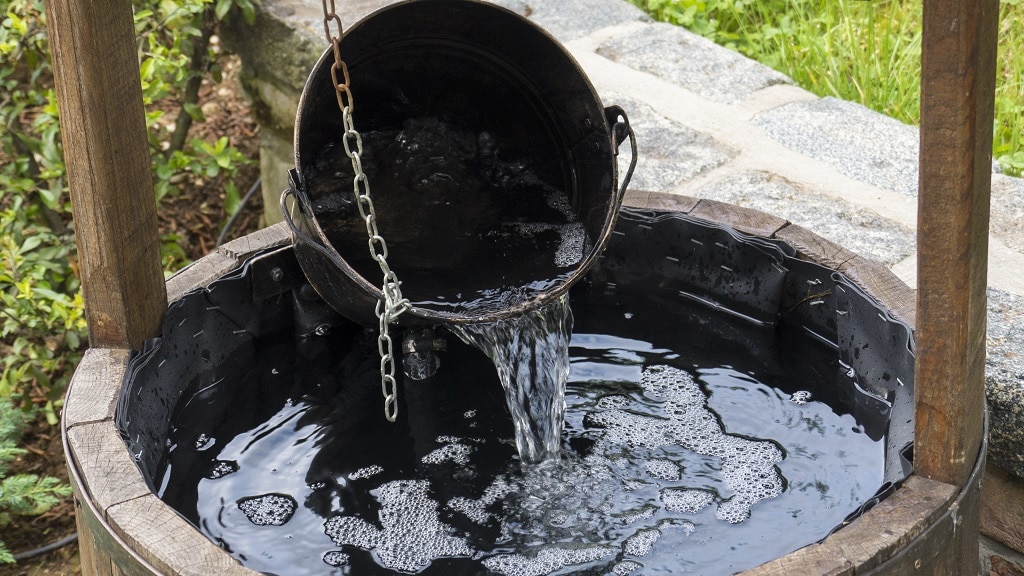
To ensure the longevity and safety of your well water system, regular maintenance is essential. This includes not only routine water testing but also inspecting and maintaining the physical components of the well, such as the pump and filtration systems. Neglecting these systems can lead to costly repairs and unsafe water conditions. For further insights, explore Common Well Water Issues Caused by Construction and Their Solutions. By being proactive and informed, well owners can mitigate potential issues, ensuring a healthy and reliable water supply for their households.
In conclusion, navigating the complexities of well water ownership requires a proactive and informed approach to ensure that your water supply remains clean and safe for consumption. By consistently monitoring and testing for contaminants, maintaining the physical components of your well system, and staying educated about the potential risks, you can significantly reduce the likelihood of health hazards and costly repairs. Whether it involves addressing sources of contamination or implementing routine maintenance checks, the responsibility lies with the homeowner to prioritize the integrity of their well water system. By doing so, families can enjoy the natural benefits of well water while safeguarding their health and well-being for years to come.