

In today’s competitive marketplace, brand design plays a pivotal role in establishing a business’s identity and fostering meaningful connections with consumers. Beyond mere aesthetics, effective brand design encapsulates a company’s values, story, and purpose, providing a framework for customer loyalty and engagement. As businesses strive to differentiate themselves in a crowded landscape, the importance of a well-crafted brand strategy becomes paramount, making it a crucial element for long-term success.
From logos and color palettes to typography and packaging, every aspect of brand design contributes to the overall perception of a business. A strong brand not only communicates professionalism and reliability but also evokes emotions that resonate with target audiences. This article delves into the essential components of brand design and explores how a thoughtful approach can elevate a business’s presence, attract customers, and ultimately drive sustained growth and profitability.
Key Elements of Effective Brand Design
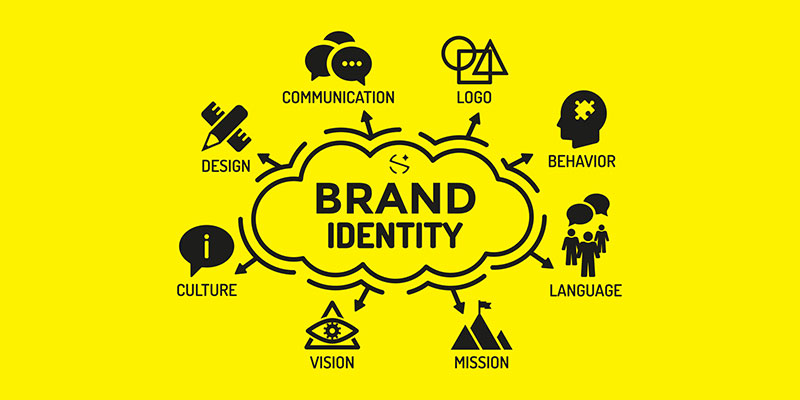
Every successful brand begins with a well-defined identity that reflects its core values and mission. This identity is shaped by several key elements, including a distinctive logo that encapsulates the brand’s essence, a thoughtfully chosen color palette that influences emotional responses, and typography that conveys the brand’s personality. Additionally, packaging plays a significant role in the perception of a brand, as it is often the first tangible interaction consumers have with a product. Together, these elements create a cohesive visual language that strengthens brand recognition and builds trust among consumers. For a deeper understanding of the role impactful brand design plays, visit https://howinsights.com/why-impactful-brand-design-is-essential-for-business-success/.
Building Emotional Connections
A well-executed brand design goes beyond mere visual appeal; it fosters emotional connections with consumers. By telling a compelling story through visuals and messaging, brands can resonate with their target audience on a personal level. This emotional engagement is crucial for developing customer loyalty and encouraging advocacy, as consumers are more likely to support brands that align with their values and beliefs. Consequently, investing in an effective brand design strategy not only enhances customer engagement but also supports long-term business growth by creating lasting relationships that can withstand market fluctuations.
In conclusion, the impact of brand design on business success cannot be overstated. It serves as the foundation for recognition, trust, and emotional resonance in a crowded market, ultimately transforming casual consumers into loyal advocates. A strategically crafted brand that embodies a company’s values and connects with its audience on a deeper level lays the groundwork for sustainable growth and profitability. By prioritizing elements like a unique logo, an evocative color palette, and compelling storytelling, businesses can create a memorable identity that stands out and endures. As companies navigate the challenges of the modern marketplace, the power of effective brand design will remain an essential driver of success, enabling them to not only survive but thrive in an ever-evolving landscape.