

Installing solar panels is a significant investment in sustainable living and can result in considerable energy savings over time. If you’re on the verge of making this eco-friendly leap or merely curious about how to choose the best solar panels for your home or business, you’ve come to the right place. This guide will walk you through the essential aspects to consider when selecting solar panels, helping you make an informed decision tailored to your specific needs.
The process involves several considerations – from understanding the types of solar panels available to evaluating their efficiency and longevity. The objective is to maximize energy generation while accommodating budget constraints and spatial limitations. By the end of this guide, you’ll be equipped with foundational knowledge and practical tips to navigate the increasingly diverse solar market.
Type and Material of Solar Panels
Understanding the different types of solar panels is pivotal in choosing the right one for your needs. The most common types include monocrystalline, polycrystalline, and thin-film panels, each offering different efficiencies and pricing. Monocrystalline panels are highly efficient and space-efficient but also the most expensive. Conversely, polycrystalline panels are more affordable but slightly less efficient. Thin-film panels offer versatility with a lighter weight and flexible application but generally have lower efficiencies. For detailed examples of cost and specifications related to these types, please visit https://www.aquionenergy.com/solar-panels-installed-costs-and-considerations/.
Choosing between these options generally depends on your budget, available roof space, and the specific energy requirements of your household or facility. Evaluate what compromises you are prepared to make between efficiency and cost, bearing in mind that higher initial investments might lead to greater long-term savings.
Energy Efficiency
The energy efficiency of a solar panel indicates how effectively it can convert sunlight into electricity. This is one of the key indicators of performance. Higher efficiency means more electricity generation from the same amount of sunlight, which can be particularly valuable in areas with limited space for installing panels.
When shopping for solar panels, compare their efficiency ratings. Keep in mind that while high-efficiency panels may have a higher upfront cost, they tend to produce more electricity over their lifecycle, potentially reducing your energy bills significantly. It’s important to balance this with other factors like budget and installation constraints.
Cost vs. Longevity
In evaluating the economics of solar panels, consider both upfront costs and potential savings over time. While it might be tempting to go for the cheapest option, it is crucial to consider the durability and lifespan of solar panels as well. Cheaper models may require more frequent replacements or yield lesser energy over time due to lower quality.
Research warranties and expected lifetimes offered by manufacturers as an indicator of durability. A longer warranty period is often an assurance of better quality and reliability, justifying a higher initial cost since it suggests fewer replacements or lower degradation rates over time.
Installation and Maintenance
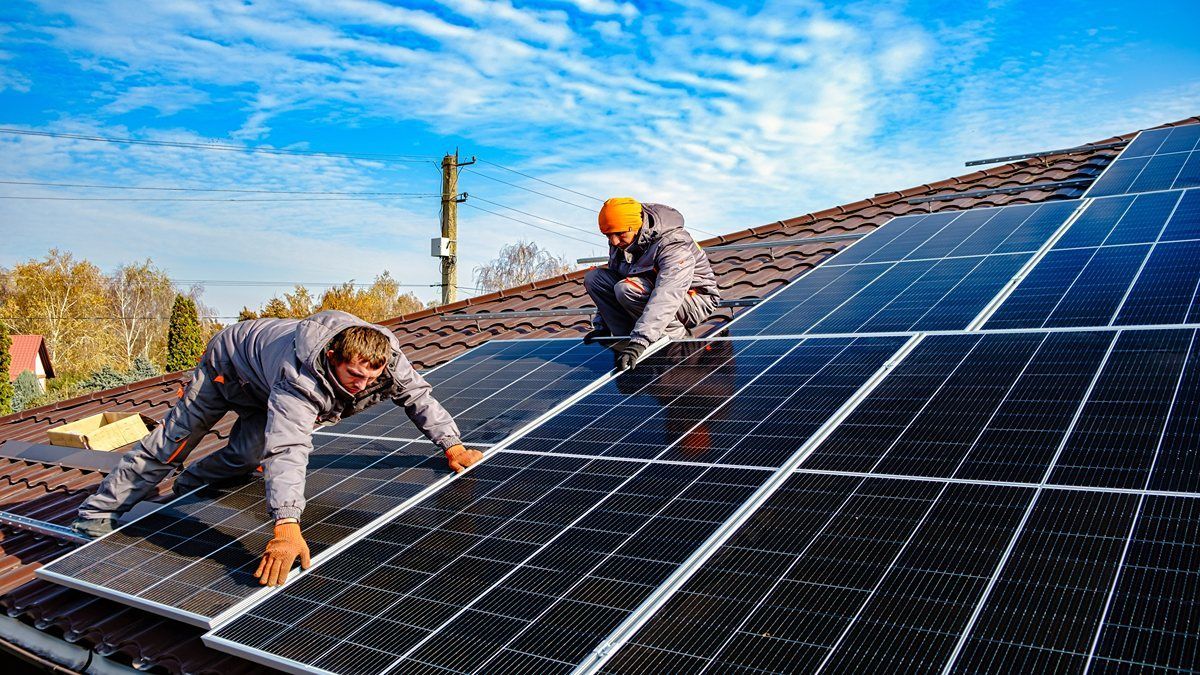
The ease of installation and ongoing maintenance requirements are also important factors in selecting solar panels. Some types require more complex mounting systems or need specific orientations for optimal performance.
Factor in the ease of access for maintenance purposes as well—panels placed in hard-to-reach areas might incur higher maintenance costs. Choosing a reputable installer experienced with your chosen type of panel can ensure efficient setup and fewer problems down the line.
Certifications and Warranties
Certifications can give an added level of trust when selecting solar panels. Look for certifications from recognized industry authorities like Underwriters Laboratories (UL) which indicate that a product meets specified safety standards.
Similarly, warranties cover various defects or performance shortfalls over time, offering peace of mind that your investment is protected. A warranty lasting 20-25 years is typically indicative of a quality product that won’t degrade unexpectedly quickly under normal conditions.
In summary, when choosing solar panels, a balanced consideration of type, efficiency, economic feasibility, installation demands, certifications, and warranty coverage will steer you towards making the most advantageous decision for your situation. Remember that investing wisely now will lead to substantial rewards in sustainable electricity production long into the future.
Thank you for reading this guide; we hope it has illuminated some key considerations to help make your journey towards solar adoption as smooth as possible!